anglicky

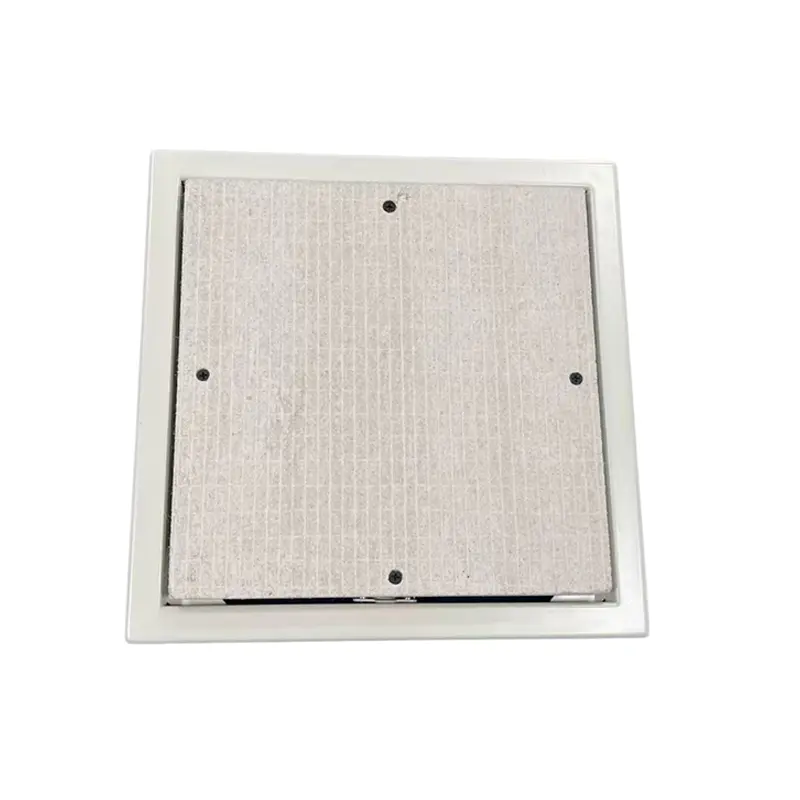
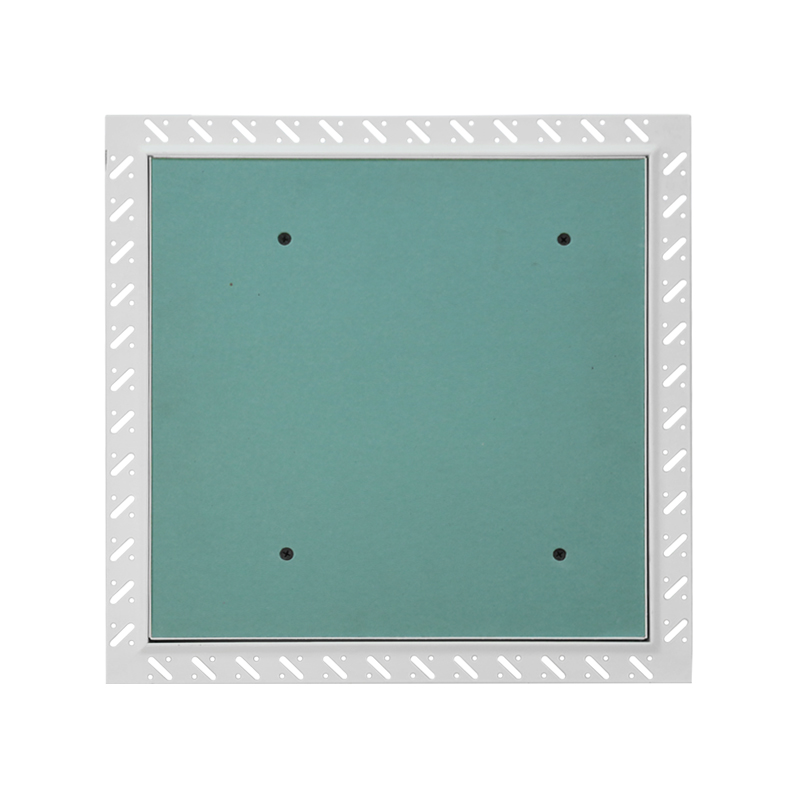
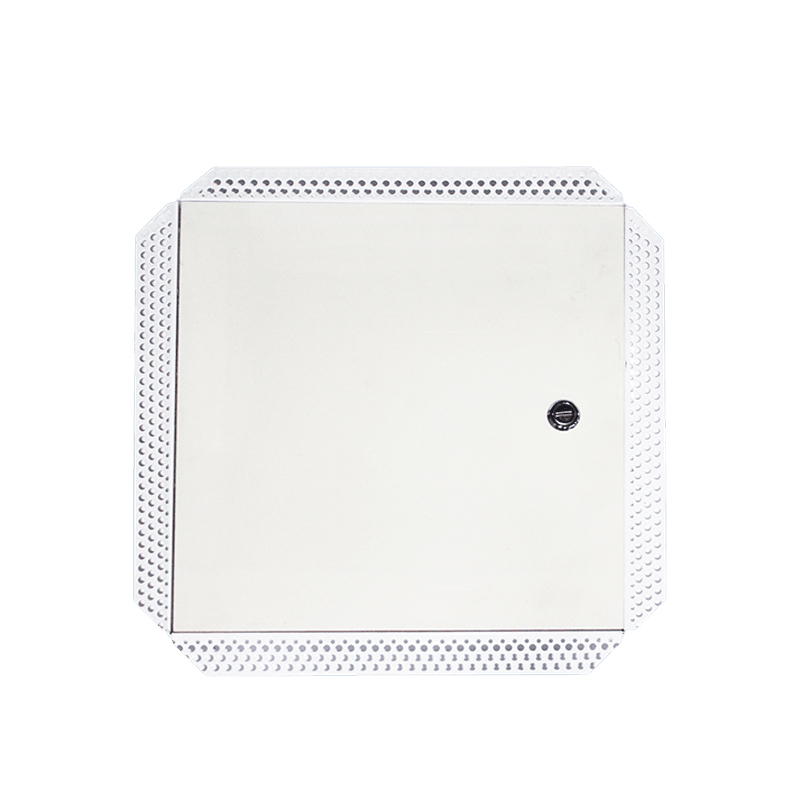
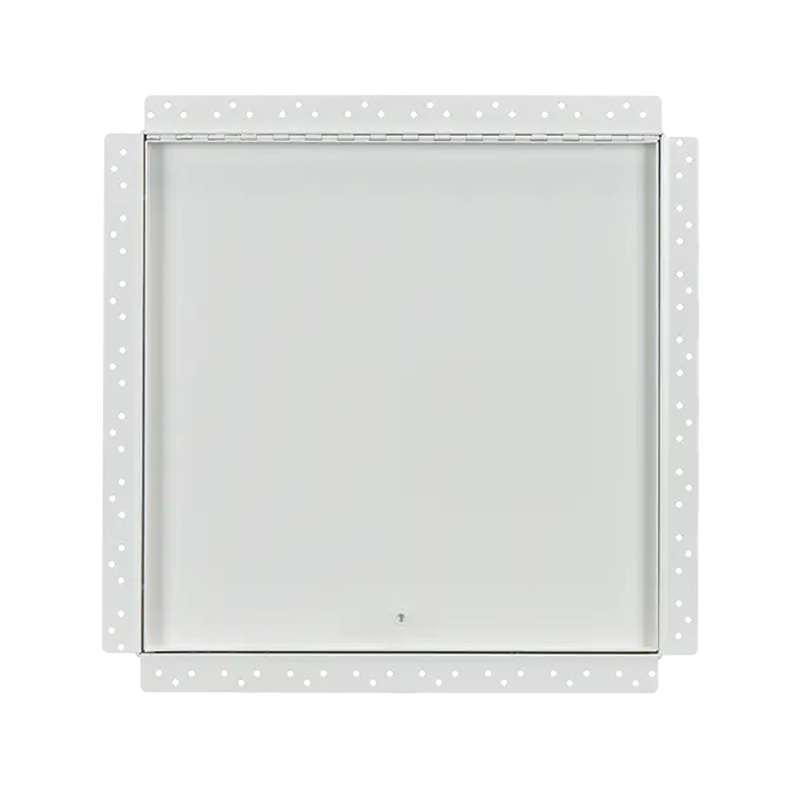
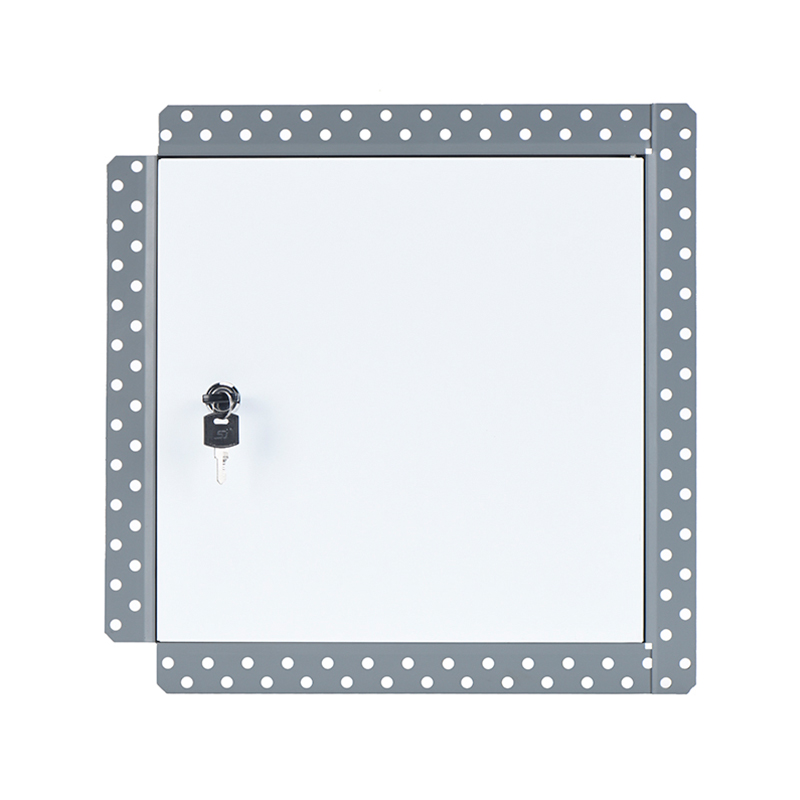
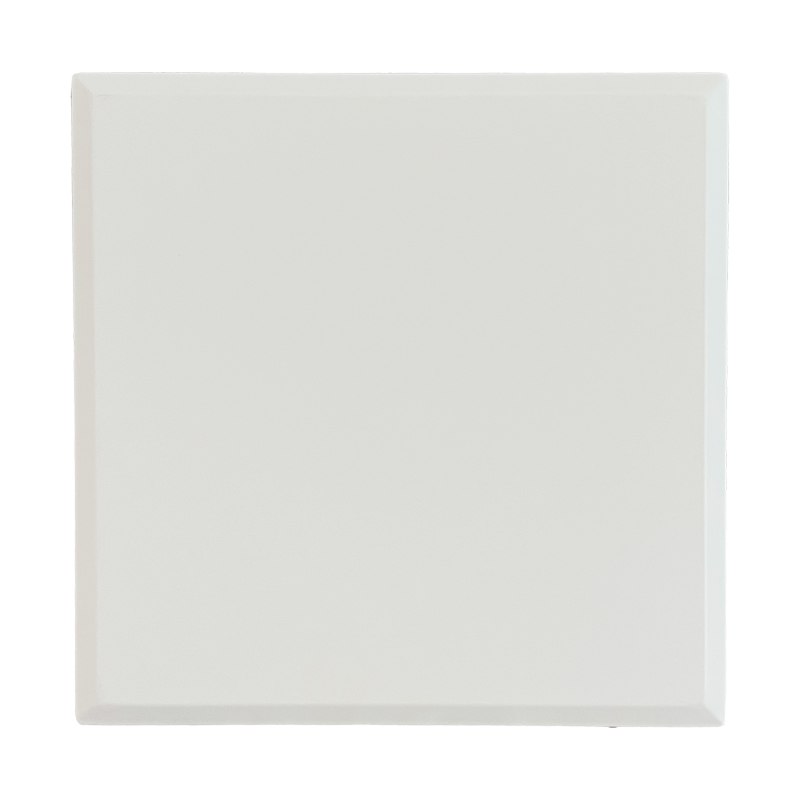
A tile access panel is a concealed inspection door designed to sit flush within a tiled wall or floor, allowing maintenance access to plumbing, electrical, or HVAC components without disrupting the surrounding tile finish. The panel's frame holds a removable tile-backer insert, onto which the same tile used on the surrounding surface is bonded — so once grouted, the access point becomes nearly invisible, with a reveal gap as small as 2-3 mm.
This article breaks down how tile access panels work, what to check before buying one, and how a major 2026 design trend — large-format tile — is reshaping panel specifications.
Large-format tile remains one of the most requested finishes in 2026 bathroom and commercial wet-area design, prized for creating smooth, uninterrupted surfaces with minimal grout lines. But oversized slabs create a real engineering problem for access panels: a standard tile hatch rated for 6-12 mm ceramic tile can sag, crack, or fail to stay flush under the weight of 20 mm porcelain slabs, natural stone, or marble.
This is why heavy-duty tile access panels have become a distinct product category rather than a sizing variant. These panels use reinforced steel frames and thicker door leaves specifically engineered to carry stone, marble, and large-format tile without structural distortion — a direct response to the shift toward bigger, heavier tile formats across both residential and hospitality projects.
Tile access panels vary significantly in load capacity, tile compatibility, and opening mechanism. Reviewing the following specifications prevents the most common installation failure: ordering a panel rated for thin ceramic when the project calls for heavier stone or porcelain.
Standard tile access panels are typically rated for tile 6-12 mm thick with 5-7 mm of adhesive, while heavy-duty models can support tile and stone up to 30 mm thick. Load capacity on standard models is often capped around 32 kg, so always confirm the manufacturer's load chart against the actual weight of the finish material being used.
Frames are commonly built from high-grade bonded aluminum for standard residential use, or welded steel for heavy-duty commercial applications. Steel-framed panels with hinges welded to recognized structural standards offer better long-term rigidity under repeated opening and closing in commercial settings like hotels and hospitals.
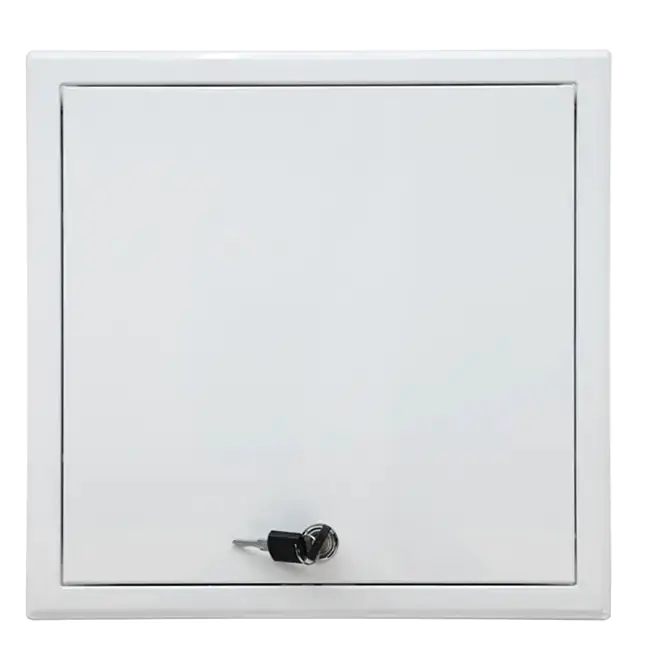
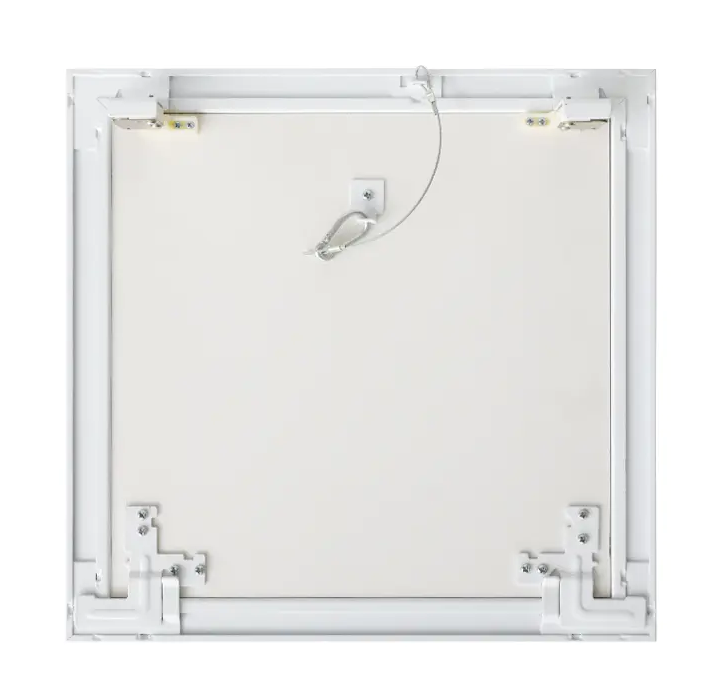
Most modern tile access panels use a push-to-open latch system, eliminating visible handles or knobs entirely. Some premium systems instead use magnetic closures, which avoid mechanical fasteners altogether and allow tool-free removal. For panels installed at height or in larger sizes, a built-in safety cable is a worthwhile feature to prevent the door from detaching completely when opened.
Tile settles and grout lines shift slightly during curing, so an adjustable hinge that lets installers fine-tune the door's alignment after the tile is set is a meaningful quality indicator. Panels without this feature are more prone to visible misalignment once the surrounding tile has fully cured.
The table below summarizes the practical differences between the two main categories on the market, which should guide product selection based on the tile or stone being installed.
| Specification | Standard Panel | Heavy-Duty Panel |
|---|---|---|
| Tile thickness supported | 6-12 mm | Up to 30 mm |
| Typical frame material | Bonded aluminum | Welded steel |
| Load capacity | Up to roughly 32 kg | Rated for stone and marble |
| Best suited for | Ceramic tile, mosaics | Large-format tile, marble, stone |
| Common applications | Residential bathrooms | Hotels, commercial wet rooms |
A tile access panel only looks invisible if a few basic installation rules are followed. Skipping these is the most common reason a panel ends up visibly mismatched with the surrounding wall.
Tile access panels solve a recurring design conflict: utilities that need ongoing maintenance access, sitting behind a finish that buyers don't want interrupted. The most common applications include:
The right tile access panel depends almost entirely on the weight and thickness of the finish material going over it. As large-format tile and natural stone continue trending through 2026, choosing a heavy-duty, steel-framed panel with verified load capacity is the safest specification path for any project using tile thicker than standard ceramic. For lighter residential ceramic applications, a standard aluminum-framed panel with an adjustable hinge and push-to-open latch remains a reliable, cost-effective choice.

Kontaktujte nás
SHUNSHI poskytuje řadu služeb technické podpory, aby zajistila, že zákazníci budou schopni tyto produkty správně vybrat, nainstalovat a udržovat.
Produkty
Kontakt
Tel: 86-15988108762
86-572-8298792
Fax: 86-572-8298792
E-mail: [email protected]
No.281 Mingzhu Main Road, Leidian Town, Deqing, Huzhou, Zhejiang, Čína, 313219